
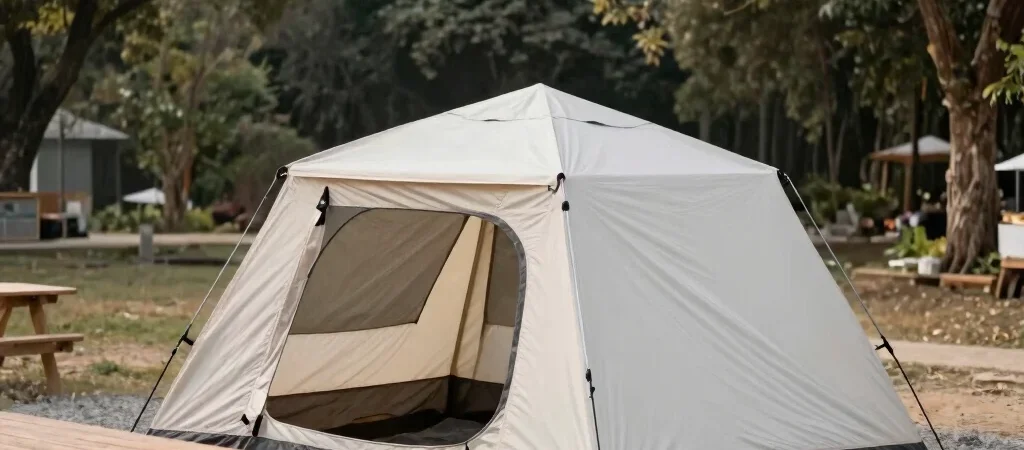
Two campsites can be the same distance from the trailhead and feel entirely different by bedtime. The difference often comes down to the ground under the tent, the path to the facilities, and how much space sits between you and the next site. Looking for those details before booking is a more reliable route to comfort than choosing by scenery alone.
Read the ground, not just the view
Look for a level tent pad and notice whether the site description mentions gravel, packed earth, or a raised platform. Low spots can collect water, while exposed sites may offer little shade during the warmest part of the day. Photos can help, but check several angles and look for slopes, nearby trees, and where the picnic table sits in relation to the tent area.
Map the everyday walk
A bathroom that seems close on a campground map may mean a walk along a dark road after dinner. Check the route, not only the distance, and consider whether the site is beside a busy entrance or shared gathering area. For a slower, quieter stay, a little more distance from facilities may be worth it if the path is straightforward and the site has room to settle in.
Use photos with care
A campsite photo can show the shape of the pad, the amount of tree cover, and whether neighboring tables are in clear view. It usually cannot tell you how traffic sounds at night or how much privacy the site has in peak season. When Utilega covers a campground on video, the moving view adds useful context; pair it with written notes about the details a camera cannot capture.